
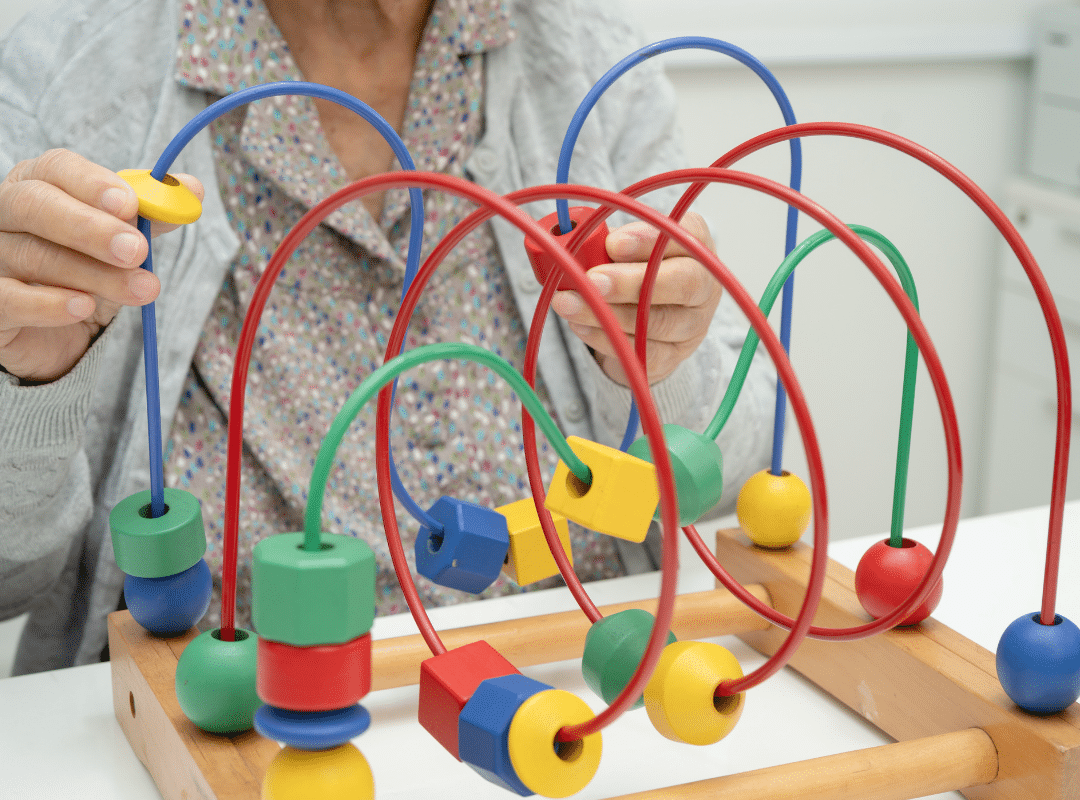
Memory is a robust connector—linking experiences, emotions, and identity. For seniors, nurturing memory isn’t just about staying sharp; it’s about maintaining independence, joy, and meaningful engagement. That’s why NestBeyond emphasizes the importance of memory games for the elderly, offering activities that spark creativity, strengthen cognitive pathways, and encourage social connection.
Whether exploring puzzles, strategy games, or hands-on creative tasks, these experiences help enhance focus, improve recall, and make daily life more enjoyable. In this guide, you’ll find fun, practical, and even free memory games for the elderly that are perfect for solo play, group settings, or seniors living with cognitive challenges—including those with dementia.
To explore more supportive resources, visit NestBeyond and browse helpful tools like our Care Assessment, Senior Living Options, Fun Activities for Seniors, and our main Blog.
Benefits of Engaging in Memory Games
Keeping the mind active through memory games for the elderly offers far-reaching benefits. These activities strengthen key cognitive functions such as focus, recall, and problem-solving. They stimulate the brain regions responsible for long-term memory and processing speed, helping seniors remain mentally agile.
Many families also notice emotional benefits. Seniors who regularly play memory games for adults often report improved mood, reduced loneliness, and stronger social bonds—especially when activities involve friends or family. These games allow loved ones to participate together, creating meaningful moments and shared experiences.
Memory games are vital for individuals facing cognitive decline. Engaging in structured activities—including memory games for the elderly with dementia—can help stimulate neural pathways, slow memory loss, and create comforting routines. And because many of these activities are fun and accessible, they encourage seniors to remain active in their own cognitive health journey.
Crossword Puzzles: A Timeless Classic
Crossword puzzles remain one of the most cherished free memory games for the elderly. They encourage word recall, challenge critical thinking, and provide an instant sense of accomplishment with each solved clue.
Whether working through a simple puzzle or tackling an advanced themed crossword, seniors strengthen vocabulary, reasoning skills, and focus. Starting with familiar words or short clues can build confidence, while variations like large-print or themed puzzles introduce fresh challenges.
Crosswords are also perfect memory games for adults who enjoy quiet, independent activities. They can be completed during morning coffee time, while relaxing outdoors, or shared with a friend for a fun collaborative session. Best of all, they help keep the brain stimulated and enjoyable.
The Power of Number Puzzles
Number puzzles—especially Sudoku—offer powerful brain-boosting benefits for older adults. Research from sources like the National Institute on Aging and Harvard Health supports their role in improving logic, attention, and memory.
Sudoku and similar games are excellent group brain games for seniors, perfect for scheduled activity times or afternoon gatherings. They sharpen deductive reasoning, encourage pattern recognition, and support problem-solving abilities. They are also stimulating memory games for adults who prefer more analytical challenges.
Completing a few Sudoku puzzles weekly can contribute to long-term cognitive resilience—helping seniors stay as sharp as someone years younger. They are wonderfully adaptable for different skill levels, making them a fantastic addition to any memory wellness routine.
Trivia Quizzes and Memory Games for Fun
Trivia quizzes bring excitement, laughter, and healthy competition into any environment. They also make excellent group brain games for seniors, especially in community or family settings.
With endless topics—history, music, sports, food, or beloved TV shows—trivia can be tailored to a senior’s personal interests. These games stimulate recall, encourage storytelling, and foster social engagement, boosting emotional well-being.
Trivia activities also serve as fun memory games for the elderly, reinforcing familiar information and exercising different types of memory. Seniors facing cognitive challenges can enjoy simplified versions that work well as memory games for the elderly with dementia, using visual clues, familiar objects, or family-related themes.
Stimulating Strategy With Chess and Logic Games
Enhancing Critical Thinking Skills
Chess and logic-based games require planning, anticipation, and advanced problem-solving. They tap into critical areas of the brain responsible for reasoning and pattern recognition. Regular play strengthens cognitive resilience and improves decision-making skills. These activities are also valuable memory games for adults who enjoy a deeper mental challenge.
Promoting Social Interaction Benefits
Strategy games bring people together. Seniors benefit from conversations, shared moments, and friendly competition. These games make excellent group brain games for seniors, helping reduce isolation, improve social confidence, and create meaningful bonds. Whether played in person or online, every match inspires connection and cognitive growth.
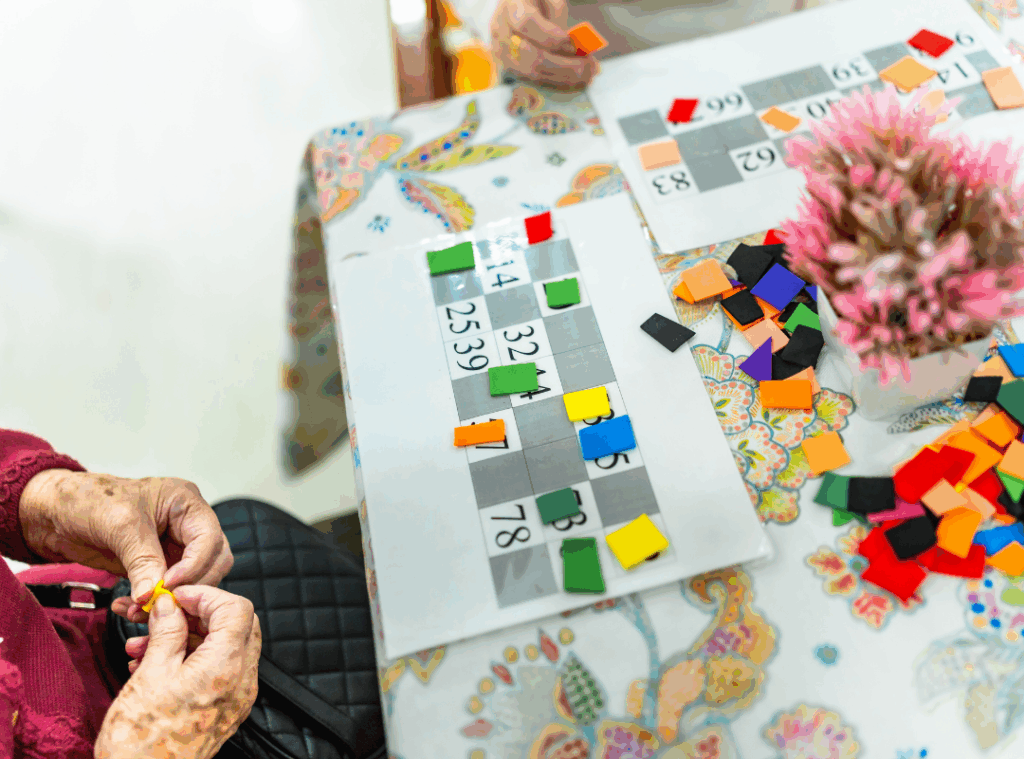
Creative Activities and Arts & Crafts
Creativity stimulates the mind and provides emotional nourishment. Activities like painting, crafting, clay modeling, or card-making allow seniors to express emotions, practice fine motor skills, and strengthen cognitive pathways.
Many arts & crafts sessions double as gentle memory games for the elderly, especially when involving steps, sequencing, or pattern recognition. Seniors with dementia often benefit from these hands-on activities, making them adaptable memory games for the elderly with dementia that encourage comfort and familiarity.
Participating in group workshops also supports social engagement—further reinforcing emotional and cognitive health.
Exploring the World of 3D Video Games
Modern research from institutions like the American Psychological Association suggests that 3D video games can significantly boost memory, navigation skills, and spatial perception. These games immerse seniors in engaging, virtual worlds that challenge their minds in new ways.
3D games can function as exciting memory games for adults and even serve as free memory games for the elderly when accessed through online platforms or community gaming activities. Their interactive nature encourages problem-solving, fast thinking, and hand-eye coordination, all while keeping the experience fun.
Ready to Strengthen Memory? Call NestBeyond Today!
Just like a well-tended garden, the mind thrives on consistent care. Every puzzle, quiz, craft, or strategy game helps strengthen cognitive abilities, build confidence, and bring moments of joy. Whether exploring classic puzzles or trying innovative digital games, seniors can enrich their daily lives through meaningful mental engagement.
If you’re ready to explore memory games for the elderly or need guidance choosing the right senior living environment, NestBeyond is here to help.
📞 Call us today at 866-622-4206
📧 Email: info@nestbeyond.com
Or get personalized guidance through our Care Assessment.
NestBeyond is committed to helping seniors live fuller, sharper, more connected lives—starting today.
Frequently Asked Questions
What is the best memory game for seniors?
The best memory game for seniors is often one that blends fun with cognitive stimulation, such as matching card games, word puzzles, or digital brain-training apps. These games help strengthen recall, attention, and problem-solving skills. Seniors tend to enjoy options that are simple, visually clear, and easy to navigate. Games like classic Memory Match or trivia-style challenges are especially effective because they spark familiarity and engagement. Ultimately, the best game is one that fits the senior’s interests and comfort level.
How to improve memory in seniors?
Improving memory in seniors involves a combination of mental exercises, physical activity, and healthy lifestyle habits. Activities like puzzles, reading, and memory games help keep the brain active and engaged. Regular exercise increases blood flow to the brain, supporting cognitive health. Eating a balanced diet, staying socially connected, and getting enough sleep also play an essential role in memory retention. Consistency is key, so incorporating these habits into daily routines offers the best results.
What activities are good for seniors’ memory?
Activities that are good for seniors’ memory include puzzles, card games, storytelling, and arts-and-crafts projects. These activities stimulate different parts of the brain, improving recall, focus, and creativity. Physical activities like walking or light yoga also support cognitive health by improving circulation and reducing stress. Social interactions such as group games or reminiscing sessions help strengthen communication and emotional connections. The most effective activities are those that are enjoyable and encourage regular participation.
What is the 20 Questions game for seniors?
The 20 Questions game for seniors is a simple and engaging guessing game that encourages critical thinking and recall. One person thinks of an object, person, or place, and others ask up to 20 yes-or-no questions to figure out what it is. This game helps seniors practice memory, reasoning, and verbal communication. It can be played one-on-one or in groups, making it a flexible activity for social settings. Its simplicity and familiar format make it especially enjoyable for seniors of all cognitive levels.