
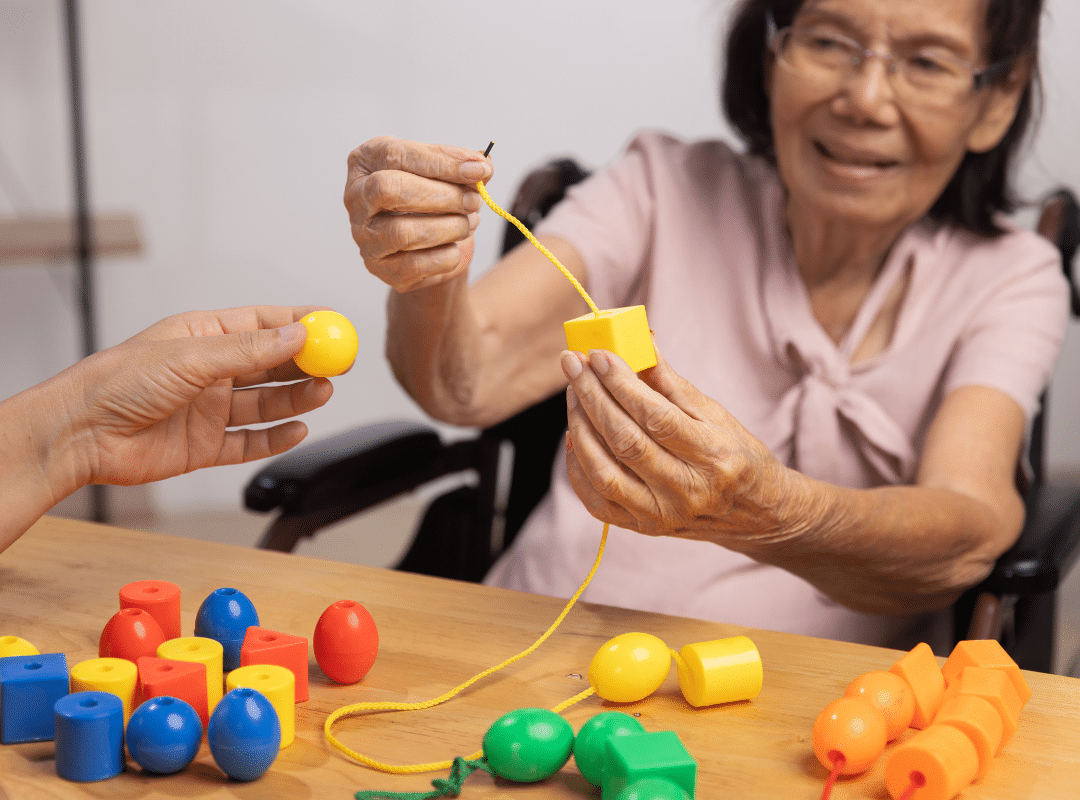
Engaging in brain games for seniors is one of the most straightforward and enjoyable ways to support long-term cognitive health. As we age, new challenges arise, and staying mentally active becomes even more essential—especially for seniors who want to protect memory, sharpen focus, or simply enjoy more fulfilling days. These activities do more than entertain; they stimulate key areas of the brain responsible for decision-making, creativity, and problem-solving.
At NestBeyond (nestbeyond.com), we believe that engaging the mind through structured activities like puzzles, board games, and digital challenges is a meaningful way to enhance well-being. Whether you’re exploring free brain games for seniors, joining brain games for seniors near you, or discovering the best free brain games for seniors, each choice supports a sharper mind and a more connected lifestyle.
Benefits of Engaging in Brain Games
Engaging in brain games for seniors offers a powerful boost to cognitive health at every stage of aging. These activities help improve memory, strengthen attention, and increase processing speed by stimulating neural pathways. Whether you choose free brain games for seniors or structured programs within your community, you’ll notice improvements in recall, reasoning, and daily mental agility.
Many seniors also enjoy game-based learning as it offers a sense of achievement. Completing puzzles or mastering new game levels boosts confidence, while consistent practice may help delay cognitive decline. Social benefits also arise, as participating in games with friends or family reduces isolation and encourages meaningful connections.
Explore additional wellness tips through these NestBeyond resources:
Popular Board Games for Cognitive Stimulation
Board games are timeless and remain among the best brain games for seniors, free or low-cost options. Classics like chess and checkers challenge strategic thinking, strengthen logic skills, and encourage patience. Scrabble enhances vocabulary and recall, while jigsaw puzzles support visual-spatial skills and sequential reasoning.
These board-based brain games for seniors near you can be enjoyed at home or in group settings. For seniors experiencing mild cognitive changes, certain activities provide dual benefits to memory and social well-being. Even brain games for seniors with dementia—such as color sorting, picture matching, and large-piece puzzles—help stimulate recognition and foster confidence.
For deeper insights into senior-living support, you may also explore:
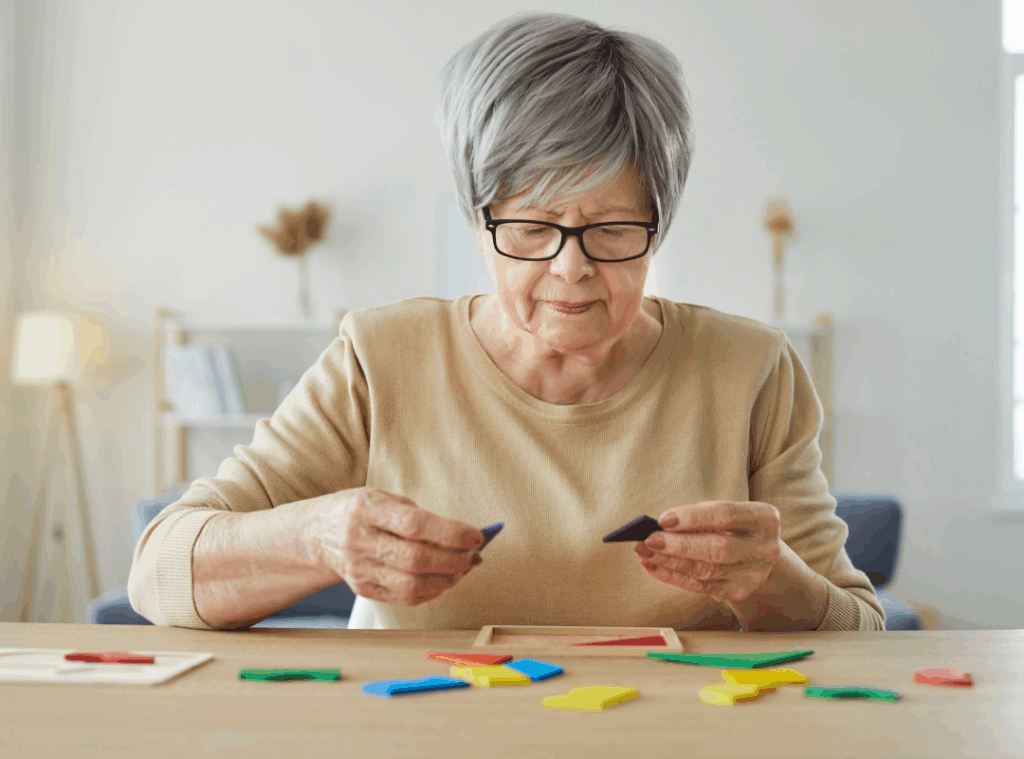
The Role of Puzzles in Memory Retention
Puzzles are among the most effective brain games for seniors because they exercise multiple cognitive functions at once. Activities such as Sudoku and crossword puzzles challenge memory, pattern recognition, and problem-solving. By adjusting difficulty levels, seniors can choose puzzles that match their comfort level while still encouraging growth.
Studies show that consistent puzzle-solving can delay cognitive decline and support healthier neural activity—making it a great option among the best free brain games for seniors. For individuals managing cognitive changes, specialized puzzle books or simplified crossword formats offer supportive ways to engage safely and confidently.
To strengthen your daily routine, NestBeyond also offers tools and resources, such as the
Digital Games for Modern Engagement
As technology evolves, seniors gain access to a variety of fun, modern, free brain games, ranging from mobile apps to immersive virtual reality platforms. Digital tools help strengthen memory, reflexes, and decision-making while offering endless learning opportunities.
Below is a guide to popular digital brain games for seniors near you and their benefits:
| Game Type | Key Benefits | Examples |
| Memory Apps | Enhances memory retention | Lumosity |
| Virtual Reality | Immersive cognitive engagement | VR puzzle worlds |
| Crossword Games | Supports verbal reasoning | Online crosswords |
| Number Puzzles | Improves quantitative reasoning | Sudoku apps |
| 3D Video Games | Enhances spatial awareness | Super Mario–style apps |
Many digital options also serve as helpful brain games for seniors with dementia, particularly those offering simple interfaces, repetitive mechanics, and soothing visual cues.
For expert insights on the impact of digital stimulation, visit sources like
- National Institute on Aging
- AARP Brain Health Resources
- Alzheimer’s Association
Social Interaction Through Game Play
Games also support social health, which directly influences cognitive performance. Whether participating in Bingo at a senior center or enjoying Scrabble with family, these group-based brain games for seniors near you promote laughter, teamwork, and conversation.
Seniors who engage socially through gameplay often experience improved mood, healthier memory function, and reduced stress levels. Group puzzles, card games, and cooperative board games are beneficial for seniors experiencing loneliness or early cognitive changes. Even simple brain games for seniors with dementia, like matching cards or guided group puzzles, build connection and joy through shared experience.
To discover supportive senior-living communities offering structured activities, visit:
Ready to Strengthen Your Mind? Call NestBeyond Today!
Incorporating brain games for seniors into your daily routine is one of the best investments you can make in your long-term cognitive health. Whether you enjoy puzzles, strategy games, or modern digital apps, each activity stimulates your mind, enhances memory, and strengthens social connections. Seniors can choose from countless free brain games for seniors or participate in group-based brain games for seniors near you for laughter and companionship. For those facing cognitive challenges, supportive brain games for seniors with dementia offer comfort, stimulation, and joy.
NestBeyond is here to help you build a healthier, happier, and more engaged life. Call 866-622-4206, email info@nestbeyond.com, or visit nestbeyond.com to explore your options. Your journey toward a sharper, more vibrant mind starts today—reach out and let’s grow together!
Frequently Asked Questions
What is the best brain game for seniors?
The best brain game for seniors is one that stimulates cognitive function while remaining easy and enjoyable to play. Popular choices include puzzles such as Sudoku, crosswords, and memory-matching games, which help improve focus, problem-solving, and short-term memory. Digital brain-training apps can also offer variety and track progress over time. The key is choosing games that match the seniors’ interests and abilities to keep them engaged consistently.
What is the 20 Questions game for seniors?
The 20 Questions game for seniors is a fun, conversational guessing game that promotes critical thinking and social interaction. One person thinks of an object, person, or place, while others ask up to 20 yes-or-no questions to figure out the answer. It encourages memory recall, logical reasoning, and communication. This game works well in both one-on-one and group settings, making it a great activity for senior living communities or family gatherings.
How to boost memory in old age?
Boosting memory in old age involves engaging in activities that stimulate the brain, support physical health, and encourage social interaction. Regular mental exercises, such as puzzles, reading, or strategy games, help keep the brain active. A healthy lifestyle that includes proper sleep, balanced nutrition, and light physical activity also plays a major role. Staying socially connected and managing stress can further enhance cognitive function and overall well-being.
What games are good for senior citizens?
Many games are well-suited for senior citizens, especially those that promote mental stimulation, mobility, or social engagement. Classic board games, card games, and word puzzles are easy to learn and enjoyable for players of all abilities. Gentle physical games, such as chair volleyball or bean bag toss, help with coordination and movement. Digital games and apps tailored for seniors can also offer engaging, low-pressure activities that support memory and cognitive health.