
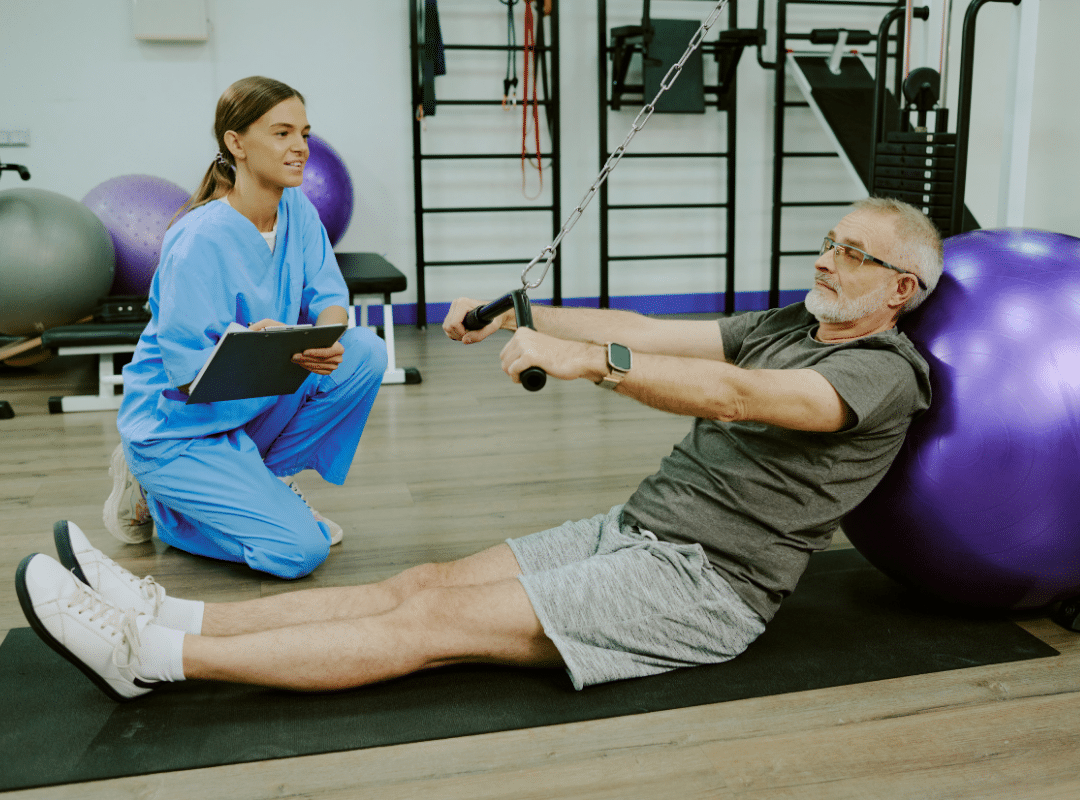
As aging becomes a new chapter of opportunity, staying mobile and independent matters more than ever. This is where flexibility exercises for elderly adults play a decisive role—helping you move with ease, reduce stiffness, and enjoy activities without discomfort. At NestBeyond, we know that simple, consistent stretching can transform how you feel each day, especially when paired with mindful routines and supportive guidance.
Whether you’re looking for free flexibility exercises for the elderly, want to explore the best flexibility exercises for the elderly, or need safe stretching exercises for seniors over 70, the proper routine can help you stay energized, balanced, and ready to thrive. Below, we’ll explore how stretching supports your overall health, how to tailor routines to your body, and which movements are best for improving mobility and quality of life.
Importance of Stretching for Seniors
Stretching becomes increasingly valuable as you age, especially for protecting your joints, improving blood flow, and maintaining mobility. Adding a few flexibility exercises for the elderly into your day can noticeably reduce stiffness, support posture, and enhance everyday movement.
Engaging in gentle stretching helps improve circulation and muscle elasticity—all of which contribute to stronger balance and fewer injuries. Studies from the National Institute on Aging, Mayo Clinic, and Johns Hopkins Medicine consistently show that flexibility and mobility routines reduce pain, boost strength, and support safe movement among older adults.
Improved senior flexibility also supports emotional well-being by reducing stress, encouraging relaxation, and helping regulate daily energy levels. And the best part? It’s never too late to begin. With patience and consistency, every stretch brings you closer to more comfort, stability, and confidence.
Customizing Stretching Routines
No two seniors have the same mobility needs. That’s why customizing your stretching routine gives you the best chance at progress. You can choose five flexibility exercises that match your goals, abilities, and comfort level.
Tailored Stretching Plans
Creating your own stretching plan allows you to prioritize specific areas—hips, back, knees, shoulders, or neck. A tailored program helps address the movements you rely on most during daily tasks. Whether your focus is strength, balance, or range of motion, personalize your stretches based on what your body needs today.
This approach is especially beneficial for those starting free flexibility exercises for elderly routines at home. Start slow, track what feels good, and increase depth and duration as your mobility improves.
Focus on Key Areas
Targeting the right muscle groups allows seniors to maintain mobility longer. Here are the main areas most older adults benefit from:
- Lower Extremities – Improve balance and prevent falls.
- Upper Body – Maintain reach, posture, and shoulder health.
- Back – Reduce stiffness and improve bending or lifting movements.
- Neck – Loosen tension, especially if you use mobility aids or sit often.
Focusing on these major regions—using the best flexibility exercises for the elderly—helps you stay steady, mobile, and confident in everyday activities.
Timing and Breathing for Stretching Exercises
Stretching works best when your muscles are warm. Active seniors should stretch after workouts, while others may prefer morning or evening sessions after a light walk. Remember: stretching is not a substitute for warming up.
Breathing intentionally also enhances your flexibility. Exhale gently during each stretch to release tension and deepen the movement. Hold each stretch for 10 to 30 seconds, depending on your comfort level. This mindful timing helps build a safer, more effective routine, particularly when performing stretching exercises for seniors over 70 or for beginners who need slow, controlled movement.
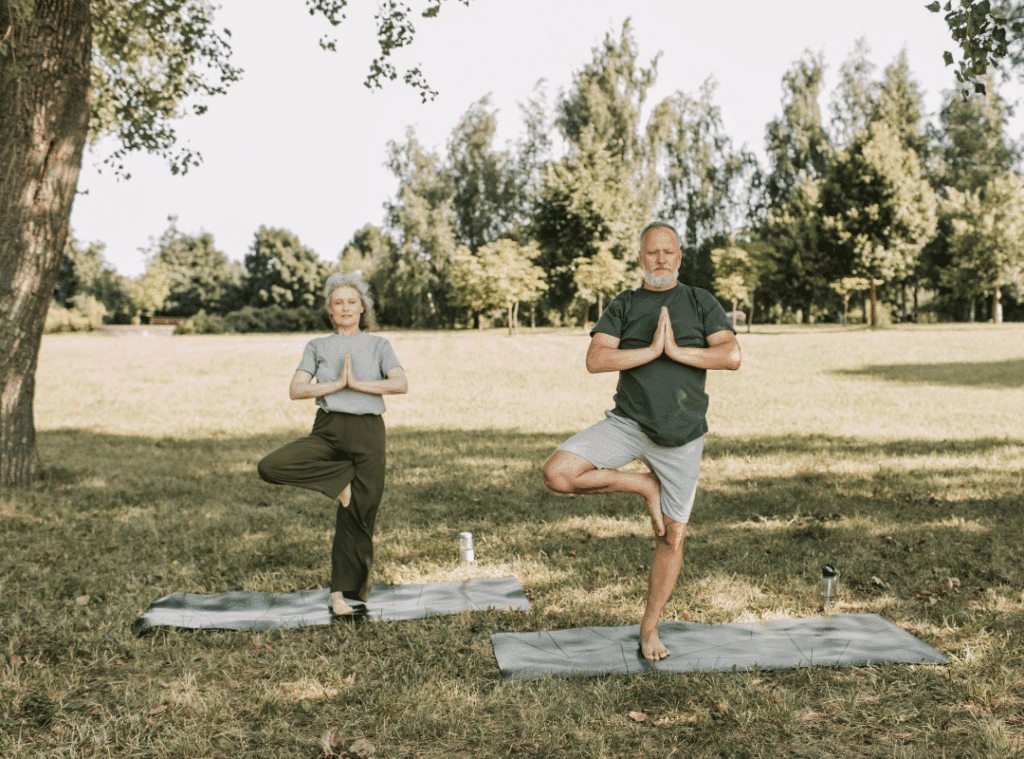
Key Stretching Exercises for the Lower Body
Keeping your lower body flexible makes walking, sitting, climbing stairs, and balancing easier. These exercises are ideal additions to your five flexibility exercises routine:
- Standing Quadriceps Stretch – Hold a chair, bend one knee, and gently pull your foot backward.
- Seated Knee-to-Chest Stretch – A low-impact stretch perfect for people with limited mobility.
- Hamstring Stretch – Extend one leg forward and reach toward your ankle to gently lengthen.
- Calf Stretch – Stand against a wall, stepping back to stretch the calf and ankle.
These stretches support safer movement, reduce fall risk, and improve comfort during daily activities.
Essential Upper Body and Hip Stretches
Your upper body, core, and hips are central to maintaining independence. Incorporating movements like shoulder mobility and hip flexor stretches helps seniors maintain posture, handle household tasks, and stay agile.
Shoulder Mobility Stretches
Try these gentle movements:
- Overhead Side Stretch
- Shoulder Cross-Body Stretch
- Tricep Stretch
- Doorway Chest Stretch
These exercises maintain shoulder range of motion and upper-body strength—making them among the best flexibility exercises for the elderly.
Hip Flexor Exercises
Hip flexibility is essential for walking, balance, and sitting comfortably. Seniors may enjoy:
- Standing hip flexor stretch
- Seated knee-to-chest
- Gentle leg raises
These movements pair beautifully with free flexibility exercises for the elderly, especially for individuals easing into routines slowly.
Integrating Hydration, Diet, and Exercise for Optimal Health
To maximize the benefits of flexibility exercises for seniors, they should combine stretching with hydration and balanced nutrition. Drinking water supports muscle recovery and joint lubrication. A nutritious diet provides energy for your stretching routine and overall wellness.
For more lifestyle tips, explore NestBeyond guides such as:
Staying active, hydrated, and well-fed ensures your body thrives at every stage of aging.
Ready to Feel Better Every Day? Let’s Get You Started!
Incorporating flexibility exercises for an elderly routine can change how you feel, move, and live. Every slight stretch is a step toward improved strength, balance, and long-term independence. You don’t need to be an athlete—you just need consistency.
NestBeyond is here to guide your journey. If you’re ready to explore tailored stretching routines, wellness strategies, or senior living support, reach out today.
📞 Call us at 866-622-4206
📧 Email: info@nestbeyond.com
🌐 Visit us anytime: https://nestbeyond.com
Your stronger, more flexible future starts now—let’s thrive together with NestBeyond.
Frequently Asked Questions
How can a 70-year-old increase flexibility?
A 70-year-old can increase flexibility by incorporating daily stretching routines focused on major muscle groups. Gentle activities like yoga, tai chi, and Pilates can also improve flexibility while supporting balance and joint mobility. It’s essential to warm up before stretching to avoid injury and to move slowly through each stretch. Consistency matters more than intensity, so even 10–15 minutes a day can make a noticeable difference. Consulting a healthcare provider ensures the exercises match personal abilities and health conditions.
What is the most beneficial exercise for seniors?
The most beneficial exercise for seniors generally combines cardiovascular activity, strength training, balance work, and flexibility. Walking is one of the top choices because it is safe, accessible, and improves heart health without stressing the joints. Strength training with light weights or resistance bands supports bone density and muscle maintenance. Balance exercises, like standing on one leg or practicing tai chi, reduce fall risk. A well-rounded routine tailored to individual abilities offers the best overall benefits.
Which type of exercise is best for flexibility?
Stretching exercises, such as static and dynamic stretches, are the most effective for improving flexibility. Activities like yoga and tai chi also promote flexibility while strengthening and relaxing. Seniors should focus on slow, controlled movements to maintain proper form and prevent strain. Stretching after a warm-up or light activity yields better results. Regular practice helps loosen tight muscles and maintain joint mobility.
What exercise should a 70-year-old do every day?
A 70-year-old should aim for a combination of light aerobic activity, stretching, and balance exercises daily. A 20–30 minute walk supports cardiovascular health and overall mobility. Gentle stretching afterward improves flexibility and helps prevent joint stiffness. Balance exercises, such as heel-to-toe walking or standing on one foot, help prevent falls. It’s best to start slowly and adjust based on personal comfort and health recommendations.