
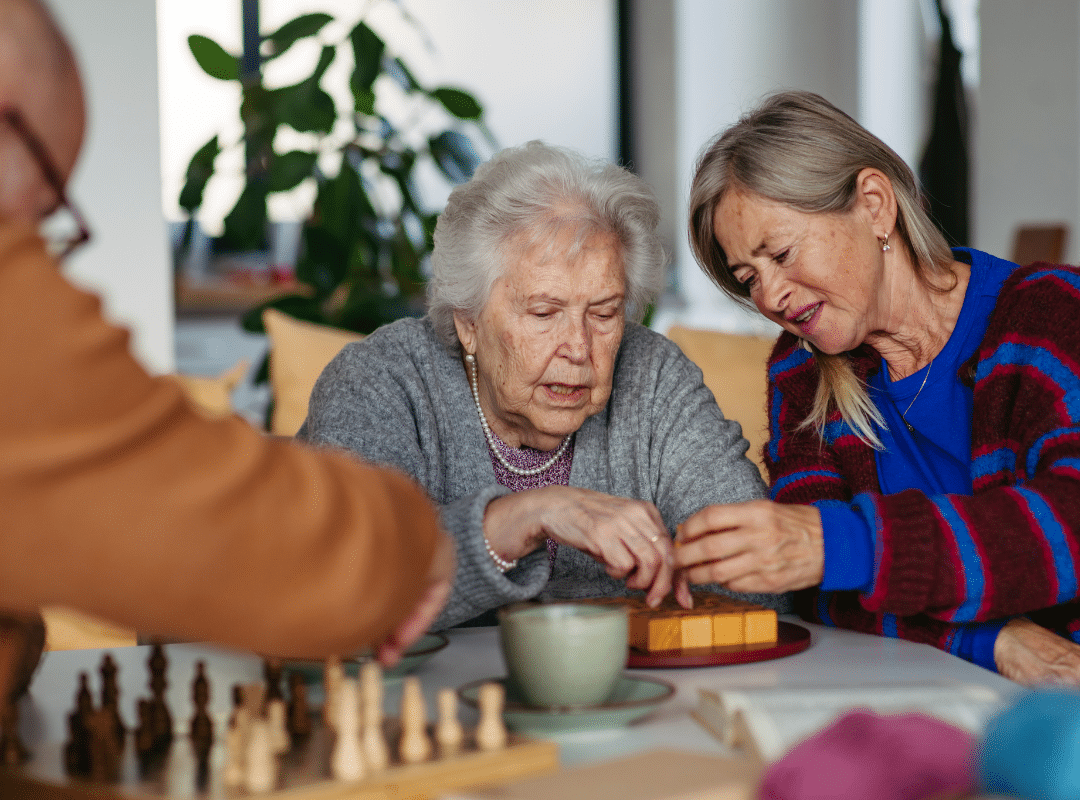
As older adults look for meaningful ways to stay sharp and maintain independence, cognitive activities for the elderly have become essential tools for supporting long-term brain health. At NestBeyond, we understand that the right activities do more than stimulate the mind—they uplift confidence, fuel joy, enhance memory, and keep seniors socially engaged. Whether through creative hobbies, puzzles, exercise, or structured programs, seniors can enjoy daily routines that strengthen mental clarity and emotional well-being.
If you or a loved one is seeking guidance on maintaining cognitive strength, NestBeyond provides helpful resources, expert support, and personalized care solutions through our leading site at NestBeyond and our many useful guides, including our Healthy Aging Tips and Lifestyle Assessment.
Why Cognitive Stimulation Matters for Seniors
Aging naturally brings changes to the brain, and understanding the list of cognitive changes in elderly individuals—such as slower information processing, occasional forgetfulness, or reduced attention span—can help families create supportive environments. Fortunately, engaging in consistent brain-building practices can slow decline and even stimulate growth.
Research shows that mentally active seniors experience improved reasoning, memory, and concentration. Engaging in cognitive activities for the elderly helps strengthen neural pathways, improving the ability to recall information and solve problems. Whether through reading, participating in group discussions, or exploring new hobbies, seniors can maintain autonomy while creating meaningful daily routines.
For families wanting guidance, NestBeyond offers free support through our Care Assessment and community insights on our Blog.
Engaging Brain Games for Better Memory Retention
Brain games are more than entertainment—they are excellent brain exercises for seniors, free of complex equipment or cost. From puzzles to structured memory games, these tools strengthen recall and enhance attention to detail.
Simple but highly stimulating activities include:
- Crossword puzzles and word searches
- Sudoku and number patterns
- Matching and sequencing games
- Online memory apps designed for seniors
Regular participation in such games is especially valuable for older adults facing memory challenges or early cognitive decline. They encourage daily mental engagement while offering low-pressure ways to stay active. These activities are also ideal cognitive activities for seniors with dementia, helping preserve focus, promote calmness, and create moments of joy.
Helpful external resources include free brain games from AARP Staying Sharp and science-backed cognitive tools from the National Institute on Aging.
The Transformative Benefits of Learning New Skills
Learning never stops—especially for seniors. Whether it’s knitting, painting, gardening, using new technology, or practicing an instrument, new skills ignite curiosity and support how to improve cognitive function in elderly adults. These activities boost brain flexibility, strengthen memory retention, and provide uplifting motivation.
Enhancing Cognitive Capacity
Engaging in new hobbies challenges the mind, encourages problem-solving, and builds resilience against decline. Activities such as learning a new language or practicing a musical instrument stimulate multiple areas of the brain, supporting neuron growth and long-term cognitive strength.
Encouraging Social Interaction
New skills often connect seniors with others, offering social benefits such as:
- Joining group classes
- Participating in senior center events
- Volunteering in community programs
- Sharing talents with friends and family
These interactions become influential contributors to long-term emotional stability and memory enhancement. For even more meaningful engagement, seniors can explore Fun Activities for Seniors offered by NestBeyond.
Motivating Lifelong Learning
Setting small, achievable goals helps seniors stay motivated and engaged. Regular learning keeps the mind active, supports memory, and nurtures a strong sense of purpose—a key component in any long-term cognitive health strategy.
How Physical Exercise Supports Cognitive Health
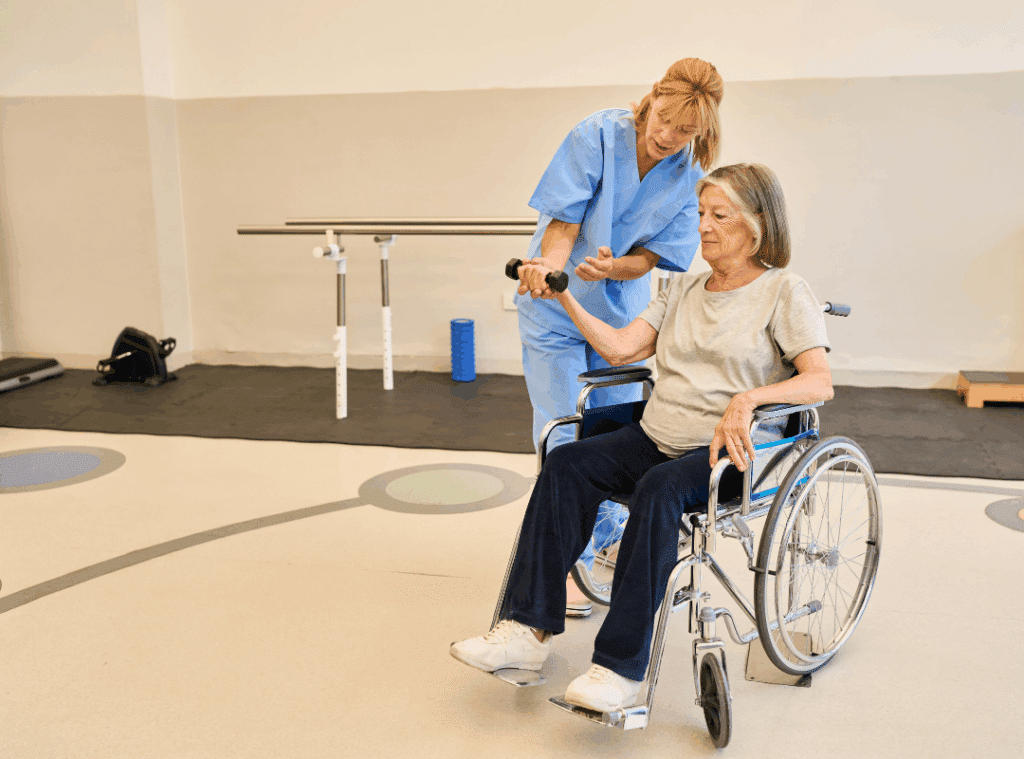
Exercise benefits more than the body—it supports the brain too. For older adults, staying active improves blood circulation to the brain, supports neuron growth, and reduces inflammation. This dramatically impacts how to improve cognitive function in elderly individuals.
Regular movement offers benefits such as:
- Improved attention and memory
- Reduced anxiety, depression, and stress
- Boosted problem-solving and planning abilities
- Enhanced overall brain function
Walking, light stretching, yoga, or low-impact cardio can be paired with cognitive activities to maximize brain health in the elderly. For deeper insight into wellness routines, seniors may also explore NestBeyond’s guide on maintaining vitality through healthy aging.
Creative Activities That Build Brain Power
Creativity is a powerful form of cognitive therapy. Whether through art, music, writing, or dance, seniors can express themselves while enhancing memory, focus, and emotional balance.
| Creative Activity | Key Benefits |
| Art Therapy | Reduces stress, supports visual memory |
| Music Engagement | Boosts recall and emotional connection |
| Writing | Enhances imagination and organization skills |
| Dancing | Strengthens physical and cognitive coordination |
These activities offer gentle stimulation and are convenient cognitive activities for seniors with dementia, providing comfort, routine, and emotional connection.
External wellness resources, such as Cleveland Clinic and the CDC Healthy Aging, offer additional insights into cognitive wellness strategies.
How Social Engagement Boosts Memory
Strong social interaction helps the brain thrive. Conversations, group activities, and community involvement stimulate the mind, increase dopamine levels, and improve recall. Seniors who interact socially often experience:
- Strengthened memory through shared conversations
- Emotional support, reducing loneliness
- Higher motivation to participate in activities
- Greater overall life satisfaction
Families can also explore NestBeyond’s Community Details and Find a Community pages for added support in staying socially active.
Ready to Strengthen Cognitive Health? Let NestBeyond Guide You
Supporting your loved one’s memory and overall wellness begins with simple, consistent habits. Whether choosing cognitive activities for the elderly, engaging in free brain games, or learning new skills, every step toward mental stimulation helps preserve independence and quality of life.
At NestBeyond, our team is ready to guide you through personalized solutions, community recommendations, and compassionate support.
Call NestBeyond Today—Your Loved One Deserves the Best Care
If you’re ready to take the next step, reach out to our expert advisors at 866-622-4206 or visit our Contact Us page. Let NestBeyond help your family build a vibrant, cognitively strong future.
Frequently Asked Questions
What are cognitive activities for the elderly?
Cognitive activities for the elderly are tasks designed to stimulate thinking, memory, problem-solving, and overall brain function. These activities help maintain mental sharpness and support emotional well-being. They can range from simple daily routines, such as reading or puzzles, to structured programs, such as memory games or brain-training exercises. Engaging in cognitive activities regularly may also help slow mental decline and improve quality of life.
What are three examples of cognitive activities?
Three great examples of cognitive activities are puzzles, memory games, and reading. Puzzles—such as crosswords or jigsaw puzzles—encourage critical thinking and visual problem-solving. Memory games stimulate recall, focus, and attention, which are especially helpful for seniors experiencing memory changes. Reading keeps the brain active and supports vocabulary, comprehension, and imagination.
What are some good activities for the elderly?
Good activities for the elderly include both physical and mental exercises that support overall health and joy. Walking, chair yoga, or stretching are simple physical activities that improve mobility and balance. Social activities, such as group conversations, book clubs, or hobby groups, help reduce isolation and boost emotional wellness. Creative activities like painting, crafting, or gardening also give seniors a sense of purpose and satisfaction.
What are the mental activities for the elderly?
Mental activities for the elderly include any tasks that challenge the brain and keep cognitive functions active. These can involve brain games like Sudoku, card games, or strategy board games. Learning new skills—such as using technology, cooking a new recipe, or practicing a musical instrument—also stimulates cognitive growth. These activities support memory, concentration, and overall mental resilience.