
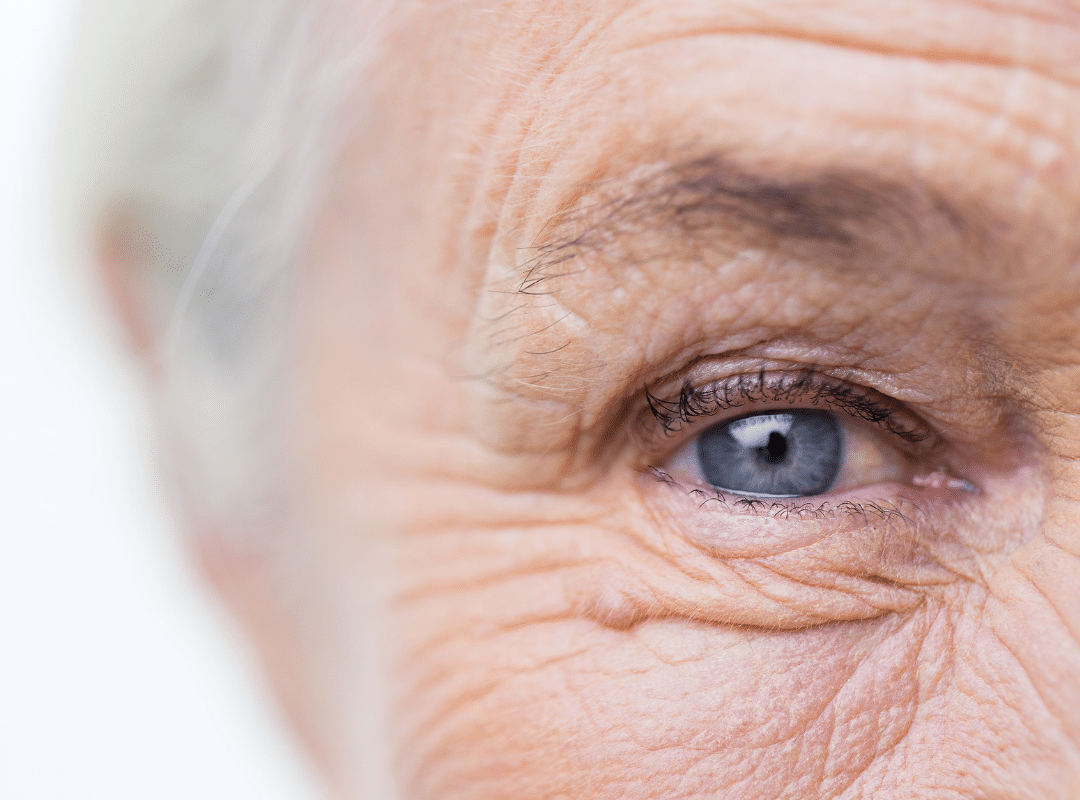
As we grow older, the aging of the eye is just as real as wrinkles in the mirror – but vision changes don’t have to catch you by surprise. Understanding the early signs of aging eyes, knowing how to reverse aging eyesight as much as possible, and recognizing the old age eye problems that need urgent attention can help you stay independent, safe, and confident.
At NestBeyond, we’re here to guide you through every stage of eye aging, from simple dryness and floaters to more complex conditions like cataracts and macular degeneration. With the correct information, regular eye exams, and support from senior-living and healthcare partners, you can take smart steps today to protect your sight for tomorrow.
Overview of Age-Related Eye Problems
As the eye ages, the structures that keep your vision clear slowly change. Conditions such as cataracts, age-related macular degeneration (AMD), glaucoma, and diabetic retinopathy become more common and can interfere with reading, driving, and enjoying hobbies. Many of these are among the most common eye diseases in older adults, and they often develop gradually, making regular eye exams critical.
You might also notice old age eye problems such as dry eye, difficulty focusing up close (presbyopia), and annoying floaters drifting across your vision. These are classic signs of aging eyes, but that doesn’t mean nothing can be done. In fact, early detection, healthy lifestyle changes, and the right living environment—like choosing appropriate senior living options—can help slow progression and keep you comfortable and active.
Symptoms and Causes of Common Eye Conditions
Key Symptoms You Should Watch For
The signs of aging eyes are often subtle at first, then slowly become harder to ignore. You may notice:
- Blurry or cloudy vision that makes reading, driving at night, or recognizing faces more difficult
- Dryness, burning, or a gritty sensation, which are common eye problems of old age
- Increased sensitivity to glare from headlights or sunlight
- Floaters or flashes of light in your field of vision
- Trouble seeing well in low light is a frequent complaint in the aging of the eye
These symptoms may be related to cataracts, AMD, glaucoma, or other conditions that rank among the most common eye diseases in older adults. If you experience any of these signs of aging eyes, it’s essential not to ignore them. In that case, timely evaluation can prevent further damage and help you explore how to reverse aging eyesight, where possible.
Why These Changes Happen With Age
A combination of genetics, lifestyle, and overall health influences the aging of the eye. Over time:
- The lens becomes less flexible, causing presbyopia and making it harder to focus on near objects.
- The tear glands may produce fewer tears, contributing to age-related eye problems such as dry eye.
- Sun exposure and oxidative stress can damage the retina, contributing to AMD, the most common eye disease in older adults.
- Chronic conditions such as diabetes and hypertension can damage the blood vessels in the eye.
While you can’t change your age or family history, you can make proactive choices. Learning how to reverse aging eyesight (as much as possible) often starts with healthy habits, preventive care, and the right support system—like a thorough care assessment to understand your needs and match you with the best resources.
Diagnosis and Treatment Options
Comprehensive Eye Exams Matter
Regular, comprehensive eye exams are your best defense against old age eye problems. During these visits, your eye doctor may:
- Dilate your pupils to examine the retina and optic nerve
- Check your prescription and visual clarity
- Measure eye pressure to screen for glaucoma
- Look for cataracts, AMD, and other conditions that are among the most common eye diseases in older adults
- Discuss your overall health, medications, and lifestyle
Organizations like the National Eye Institute and the American Academy of Ophthalmology strongly emphasize annual or biannual exams for older adults. If you live in a senior community or are exploring one, NestBeyond can also help you align your eye-care needs with your broader lifestyle assessment and wellness goals.
Modern Treatments and Ways to Support Vision
Once a diagnosis is made, your specialist can tailor a plan to help manage or even improve your vision. When people ask how to reverse aging eyesight, solutions often include:
- Prescription glasses or contact lenses for clearer focus
- Lubricating eye drops to ease old age eye problems like dryness
- Medications or laser treatments for glaucoma
- Injections or advanced therapies for AMD, one of the most common eye diseases in older adults
- Cataract surgery, which can dramatically improve cloudy vision
At the same time, resources from trusted groups such as the National Institute on Aging and CDC Vision Health can provide valuable education on signs of aging eyes and ways to protect your sight. Pairing medical treatment with the right living environment—such as communities you can explore through NestBeyond’s senior care advisors—makes it easier to maintain independence and safety.
Everyday Habits to Protect Aging Eyes
While you can’t stop the aging of the eye, you can certainly support healthier vision with daily habits. To reduce the risk of old age eye problems and support how to reverse aging eyesight where possible, consider:
- Eating a diet rich in colorful fruits, leafy greens, and omega-3 fats, which support eye health (and go hand in hand with healthy aging)
- Wearing sunglasses that block 100% of UVA/UVB rays
- Staying physically active and maintaining a healthy weight
- Managing diabetes, high blood pressure, and cholesterol
- Avoiding smoking, a significant risk factor for many signs of aging eyes
If vision changes are affecting your ability to drive, cook, or move safely around your home, exploring senior living options or comparing costs with a cost comparison can help you plan and stay safe.
Structural Changes in the Eye With Aging
Behind the scenes, several structural shifts contribute to the aging of the eye:
- The lens stiffens and yellows, reducing focus and affecting color clarity.
- The sclera may become slightly thinner, giving the eyes a bluish tint.
- Conjunctival changes can worsen dryness and irritation, exacerbating age-related eye problems.
- A gray-white ring (arcus senilis) can form around the cornea, a visible sign of age but usually harmless.
- Fat around the eye may shift, changing the appearance of the eyelids.
Understanding these regular changes can help you distinguish between typical signs of aging eyes and warning signs that need urgent medical care. If you’re ever uncertain, consult your eye doctor and consider using NestBeyond’s blog to stay updated on resources and tips related to the aging of the eye.
Ready for Clearer Sight? Call NestBeyond Today
In the end, your vision is far too important to leave to chance. Imagine an older adult who struggles with blurriness and assumes it’s “just age,” only to discover during an exam that early cataracts and AMD—two of the most common eye diseases in older adults—can be treated and monitored. With the proper care plan, safer housing, and support from family and professionals, their world becomes clearer, brighter, and more manageable.
If you’re noticing signs of aging eyes, worrying about old age eye problems, or wondering how to reverse aging eyesight as much as possible, it’s time to take action. Start by visiting NestBeyond, exploring our personalized senior living options, and connecting directly through our contact page.
For more information or personal guidance, contact NestBeyond at 866-622-4206 or email us at info@nestbeyond.com. We’re here to help you protect your vision—and your independence—at every stage of life.
Frequently Asked Questions
What is the aging of the eyes called?
Aging of the eyes is commonly referred to as presbyopia, a natural change that makes it harder to focus on close objects. This typically begins around age 40 and progresses gradually. As the lens becomes less flexible, tasks like reading small print or using a phone can become challenging. While it’s a normal part of aging, regular eye exams help track changes and ensure proper management.
What are age-related eye conditions?
Age-related eye conditions include presbyopia, cataracts, glaucoma, dry eye, and age-related macular degeneration (AMD). Each condition affects vision differently, from cloudiness and blurriness to peripheral or central vision loss. These issues often develop slowly, making routine screenings essential for early detection. Managing risk factors like UV exposure, smoking, and chronic health conditions can help protect long-term eye health.
What are the first signs of macular degeneration?
The first signs of macular degeneration often include blurry central vision, difficulty reading, or trouble recognizing faces. Straight lines may appear wavy, or objects may seem distorted. In the early stages, symptoms may be subtle and easy to overlook. Because AMD can progress quietly, regular eye exams are critical for early diagnosis and better treatment outcomes.
What can you do for aging eyes?
You can support aging eyes by scheduling regular eye exams, protecting your eyes from UV light, and managing overall health. Eating nutrient-rich foods like leafy greens and omega-3 fatty acids also supports retinal function. Using proper lighting and taking breaks during close-up tasks can reduce eye strain. If vision changes occur, seeking prompt care ensures early treatment and prevents further decline.