
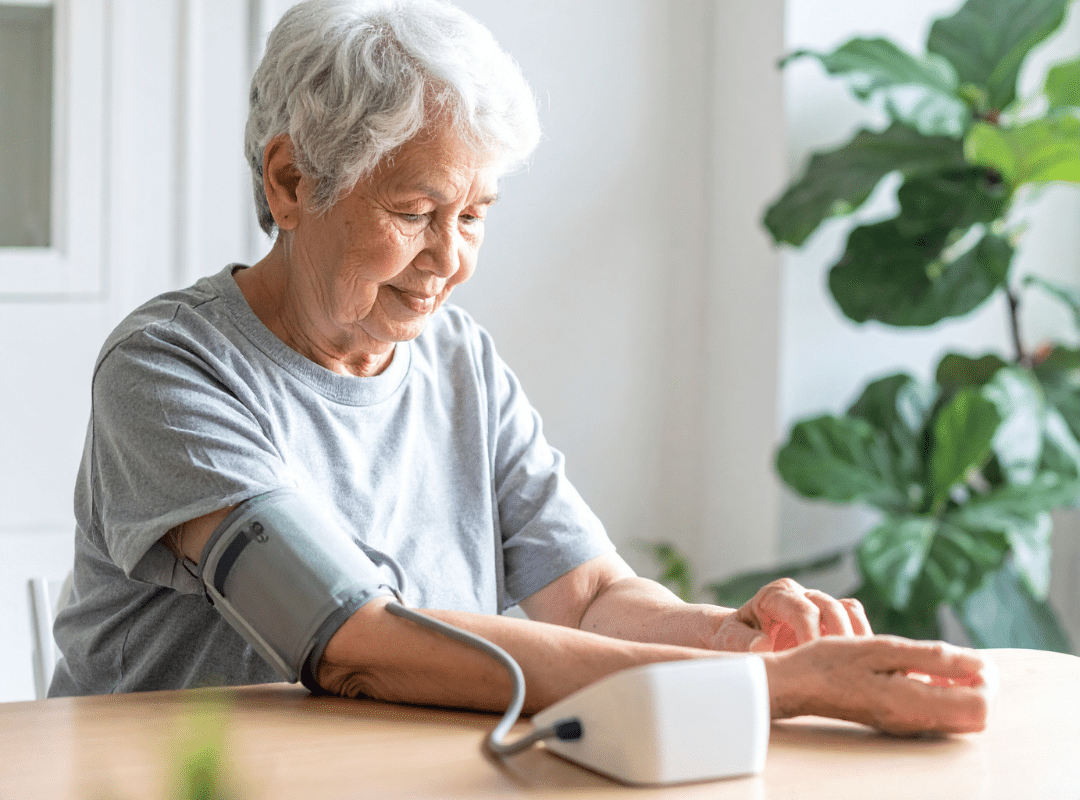
Advancements in elderly care technology are reshaping how seniors stay safe, connected, and independent as they age. By integrating tools like telemedicine, smart devices, and digital communication support, families can ensure that aging loved ones maintain both autonomy and emotional well-being.
Today’s innovations, including future technology for the elderly, wearable health tools, and personalized communication platforms, are closing the gap between accessibility and supportive care. NestBeyond continues to lead in these efforts by offering resources, assessments, and senior living solutions through services like their Care Assessment and comprehensive Senior Living Options.
This guide explores how modern tools empower older adults, how technology helps the elderly become more intuitive, and how old people and technology no longer have to be at odds, thanks to more user-friendly design and thoughtful innovation.
Enhancing Health Monitoring and Telemedicine
Digital advancements have transformed how families and caregivers monitor senior health. One of the most impactful improvements in elderly care technology is the rise of telemedicine. Seniors no longer need to travel long distances for routine consultations — virtual visits allow healthcare professionals to check symptoms, adjust medications, and offer guidance instantly.
Wearable devices capture real-time data like heart rate, sleep patterns, oxygen levels, and mobility. These tools, often paired with apps, make future technology for the elderly not just impressive but deeply practical. When abnormalities are detected, caregivers receive immediate alerts, ensuring faster interventions and safer outcomes.
Telemedicine also makes seniors feel cared for, even when living independently. This streamlined communication creates continuity and reduces unnecessary stress associated with in-person appointments.
For additional wellness insights, seniors and families can explore NestBeyond’s helpful resource:
🔸 10 Tips for Healthy Aging
Smart Home Solutions for Safety and Independence
Smart home innovations have made homes safer and more intuitive for older adults. From voice-activated systems to sensor-based alerts, technology now helps the elderly maintain independence while reducing risks.
Voice-Activated Assistants
Imagine controlling your home with just your voice. Seniors can adjust lighting, call a loved one, play music, set reminders, or even lock doors — all without having to move around the home. This technology is beneficial for individuals with mobility issues and provides meaningful support for older people and technology users who may otherwise find traditional devices difficult to manage.
Voice assistants also function as a digital companion, helping seniors maintain routines such as:
- Medication reminders
- Appointment alerts
- Daily check-in notifications
These tools create a more supportive and safer living environment, primarily when used alongside NestBeyond’s senior living resources, such as the Lifestyle Assessment.
Smart Sensor Integration
Smart sensors elevate home safety through automated monitoring. This includes:
- Fall detection that sends alerts immediately
- Air quality checks for pollutants
- Temperature control
- Emergency alerts for fire, water leaks, or gas issues
These features highlight the promise of future technology for the elderly, allowing older adults to enjoy independence without compromising safety. Families gain peace of mind knowing that quick action will be taken during emergencies.
Wearable Technology for Fall Detection and Health Tracking
Wearables have become essential for proactive senior safety. Whether a smartwatch, pendant, or health tracker, these tools offer life-saving benefits. They monitor vital signs, track steps, measure heart rate, and send real-time emergency alerts.
The most valuable aspect is fall detection — one of the most common risks for aging adults. Devices automatically notify emergency contacts when a fall occurs, making this a critical piece of elderly care technology.
Wearables also empower older adults to stay active by tracking fitness goals. Those integrating technology to help the elderly often report increased confidence in walking, exercising, and performing daily routines.
To compare care options as independence changes, families can also refer to NestBeyond’s Cost Comparison Guide.
Improving Social Engagement and Communication
Isolation is a significant challenge for seniors, but digital tools now foster deeper and more frequent social interaction.
- Video calling apps allow families to maintain face-to-face connections
- Social platforms help seniors share updates and life moments
- Online support groups reduce loneliness and create community
- Digital cognitive games stimulate memory and social interaction
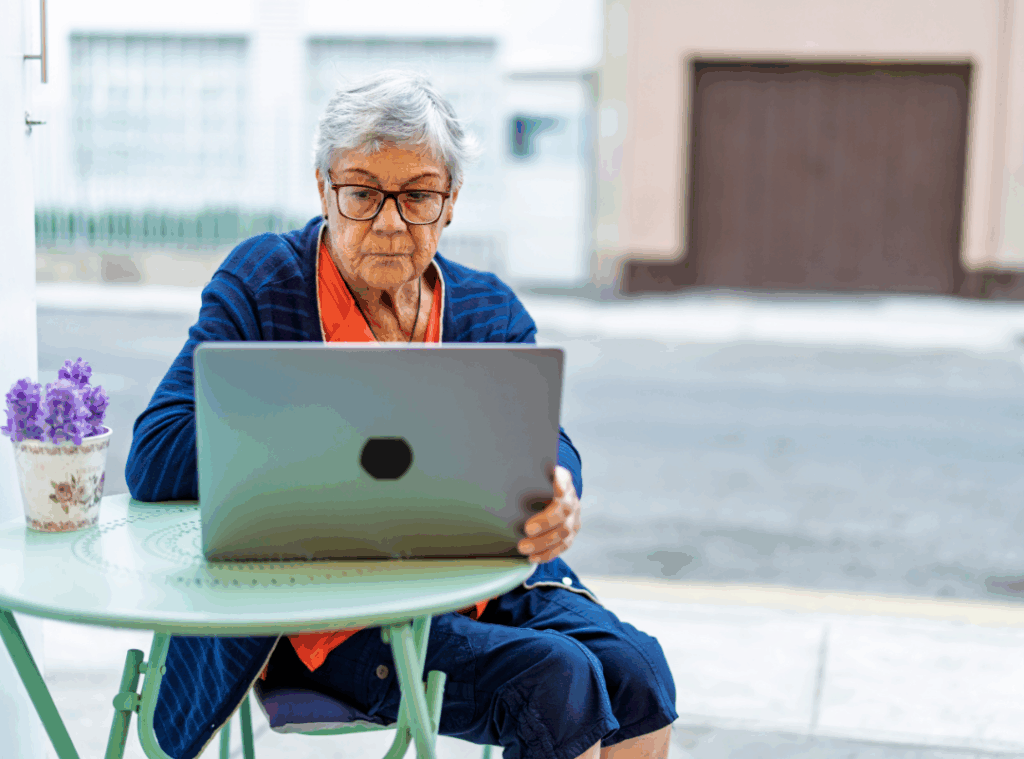
These tools especially benefit older people and technology users who may struggle with traditional phones or computers. Modern devices are now simplified, accessible, and built with seniors in mind.
A communication device for the elderly, such as a simplified tablet or a large-screen video call hub, helps older adults stay connected and emotionally supported.
For added engagement ideas, NestBeyond provides fun recommendations here:
🔸 Fun Activities for Seniors
Innovations and Challenges in Technology Adoption
While the rapid growth of elderly care technology offers tremendous benefits, some seniors hesitate to adopt new tools. Understanding and easing these barriers is essential.
Overcoming Resistance to Change
Fear of complexity often holds seniors back. Strategies that help include:
- Step-by-step training
- Peer mentors who already use the device
- Gradual introduction
- Caregiver encouragement
As future technology for the elderly expands, user-friendly instructions and large-button interfaces help bridge the technology gap.
Ensuring Privacy and Security
Protecting sensitive health information is crucial. Caregivers must ensure:
- Strong passwords
- Data encryption
- Device privacy settings
- Clear education about online safety
With these safeguards, seniors can enjoy all the benefits of technology help for the elderly without compromising security.
For more guidance on senior living transitions, families can explore:
🔸 Transition Into NestBeyond
The Future of Technology in Senior Care
The future promises even more innovations:
- AI-powered predictive health monitoring
- Robotic caregivers for companionship
- Virtual reality therapy
- Enhanced communication device for the elderly tools
- Advanced mobility aids
These innovations are designed to make aging safer, healthier, and more fulfilling.
For broader industry insights, you can explore helpful external resources such as:
🔗 National Council on Aging
🔗 AARP Technology Resources
🔗 World Health Organization – Aging
🔗 HealthIT.gov
Ready to Give Your Loved One a Safer, Smarter Future?
With the right elderly care technology, aging adults can remain independent, connected, and secure. At NestBeyond, we help families explore the best tools, communities, and resources tailored for their loved one’s needs.
If you’re ready to learn more or want expert guidance, our team is here to help every step of the way.
📞 Call us at 866-622-4206
📧 Email: info@nestbeyond.com
🌐 Visit us anytime at NestBeyond
Your loved one deserves safety, dignity, and a life enriched by innovation — let NestBeyond show you how.
Frequently Asked Questions
What are the technologies for elderly care?
Technologies for elderly care include a wide range of tools designed to support health, safety, and independence. These can consist of medical alert systems, wearable health monitors, remote patient monitoring, and smart home devices. Many seniors also benefit from medication reminder apps and telehealth services that make it easier to connect with healthcare providers. These technologies work together to improve the quality of life and reduce reliance on in-person assistance.
What technology is used in aged care?
Aged care commonly uses technologies such as fall detection devices, electronic health records, and GPS trackers for seniors with memory issues. Care communities often rely on smart sensors to monitor movement and environmental conditions, such as room temperature and air quality. Telemedicine is another key tool that allows seniors to consult with clinicians without traveling. These innovations help caregivers provide safer, more efficient, and more personalized support.
What are the useful technologies for seniors?
Useful technology for seniors includes devices that simplify daily tasks and improve health management. Smartphones and tablets with senior-friendly interfaces make communication easier, while smart speakers provide reminders and support voice-controlled tasks. Wearable devices can track heart rate, sleep patterns, and activity levels to support wellness. Together, these tools help older adults stay connected, informed, and independent.
What are the assistive technologies for the elderly?
Assistive technologies for the elderly are designed to support mobility, communication, and cognitive needs. Examples include hearing aids, mobility scooters, grab bars, and adaptive utensils for easier eating. For cognitive support, memory aids, visual calendars, and medication dispensers help seniors stay organized. These technologies promote safety and independence, reducing the need for constant supervision.