
Supporting a loved one with dementia often begins by enriching their daily experiences. Thoughtfully selected activities can spark joy, strengthen cognitive abilities, reduce anxiety, and deepen meaningful connections. At NestBeyond, we understand that finding the right games for elderly people with dementia is more than entertainment—it is a pathway to emotional wellness and improved quality of life.
From simple to interactive games for dementia patients, today’s caregivers have countless ways to uplift their loved ones through play. This guide explores calming, engaging, and purposeful activities that support cognitive health, sensory stimulation, and heartfelt bonding.
Games for Elderly People With Dementia to Support Wellness
Engaging older adults in uplifting activities is vital for maintaining emotional and cognitive wellness—especially when navigating dementia. Thoughtfully chosen games for elderly people with dementia can promote mental stimulation, reduce stress, improve focus, and foster moments of joy. Activities like memory-matching cards, simplified board games, sensory tasks, or art-based projects help create meaningful moments that will enhance their overall well-being.
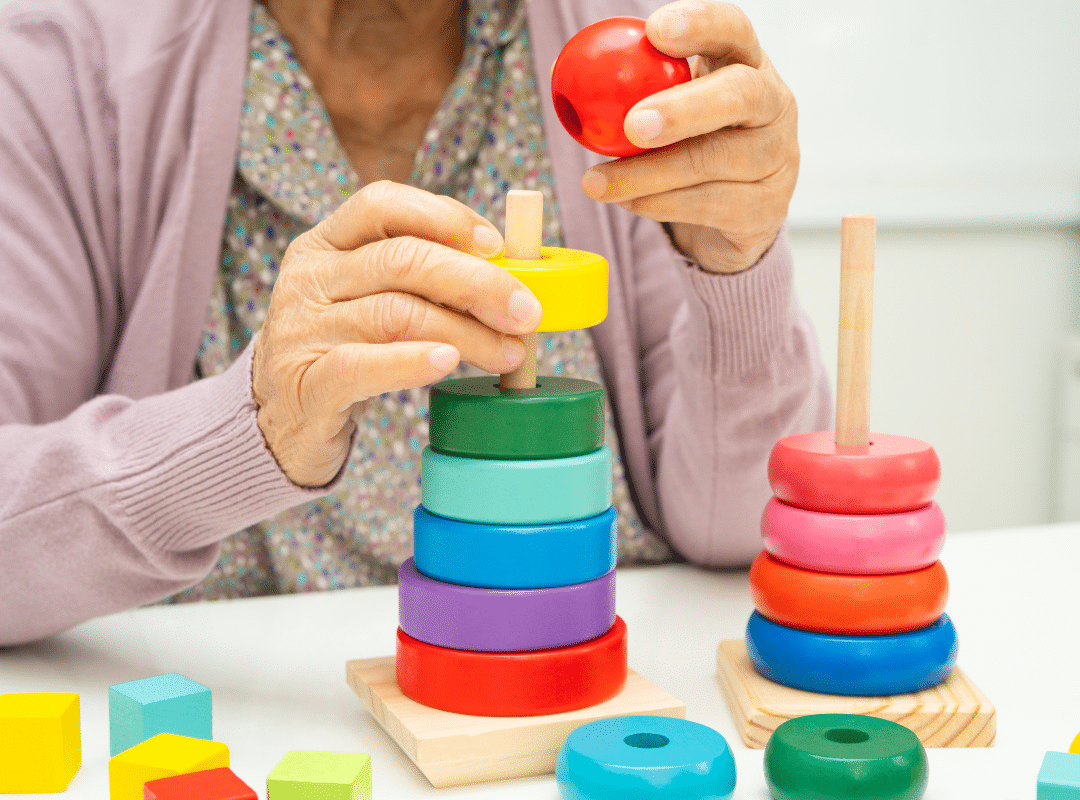
Simple activities such as painting, scrapbooking, balloon batting, or stacking blocks can provide a sense of accomplishment and engage the brain in enjoyable ways. Customizing the experience around their interests is key. NestBeyond encourages caregivers to explore different options that inspire creativity, movement, and connection.
Importance of Engagement in Dementia Care
Meaningful engagement is one of the strongest pillars of dementia care. When seniors participate in simple games for dementia patients or hands-on activities, they gain emotional comfort and a renewed sense of purpose. These moments of focus and connection can counteract feelings of isolation, uplift mood, and enhance communication.
Interactive experiences—whether crafting, music-based play, or interactive games for dementia patients—also help strengthen cognitive abilities and encourage self-expression. Research highlights the importance of maintaining regular mental stimulation to slow cognitive decline. Activities personalized to a senior’s interests and skills not only preserve dignity but help create joyful routines they can look forward to each day.
For additional resources on enhancing senior engagement, explore:
- NestBeyond’s Fun Activities for Seniors in Retirement
- NestBeyond’s Blog Hub
Activity Considerations by Dementia Stage
Every stage of dementia requires a unique approach to engagement. Thoughtfully selecting games for the elderly people with dementia that align with their abilities ensures they feel supported—not overwhelmed.
Early Stage
Individuals may enjoy games that encourage:
- Strategy (“Connect Four,” dominoes)
- Word recall
- Light problem-solving
- Photo-based memory tasks
These challenges strengthen cognitive function while supporting independence.
Middle Stage
During this stage, simplicity becomes essential. Choose:
- Step-by-step activities
- Familiar crafts
- Guided art
- Interactive games for dementia patients, such as simplified tablet apps or touchscreen puzzles
Breaking tasks into small steps helps them stay engaged without frustration.
Late Stage
When communication and mobility decline, soft calming activities for dementia patients have a meaningful impact. Consider:
- Tactile sensory objects
- Gentle music
- Hand massage
- Ball or balloon batting
- Scarf movements
Nurturing the senses becomes the most effective way to connect at this stage.
NestBeyond also offers guidance through our Care Assessment tool to help families explore the next steps.

Cognitive Stimulation Games
Cognitive games are among the most effective ways to support memory, attention, and mental flexibility. Choosing the right simple games for dementia patients can stimulate the mind while bringing joy.
Here are excellent options for cognitive engagement:
Matching Games
Using colorful cards or family photos supports recognition and recall.
Jigsaw Puzzles
Choose large-piece puzzles with simple, meaningful images, such as landscapes or animals.
Word or Letter Games
Alphabet tiles, word-matching activities, or simple crossword prompts encourage language retention.
Free Games for Dementia Patients
You can find free games for dementia patients through online platforms such as:
- AARP’s Brain Games (free puzzles & memory challenges)
- Memory Café Directory (free downloadable activities)
These no-cost options offer stimulating activities families can enjoy together.
Choosing familiar themes—like old hobbies or favorite places—can spark memories and create warm emotional resonance.
Crafting Activities for Self-Expression
When words become difficult, creativity can speak for them. Crafting offers a gentle, rewarding gateway for expression, accomplishment, and emotional release.
Great Crafting Activities Include:
- Scrapbooking with old photos or greeting cards
- Watercolor painting with easy-to-hold brushes
- Clay molding for tactile stimulation
- Creating picture albums while reminiscing about family history
These activities focus on the process—not perfection. They are ideal calming activities for dementia patients because they boost confidence, reduce anxiety, and enhance mood. For a broader view on supporting wellness, explore NestBeyond’s 10 Tips for Healthy Aging.
Sensory Engagement Activities
Sensory-based play is incredibly impactful for seniors who benefit from nonverbal stimulation. These activities support awareness, reduce stress, and help maintain coordination.
Popular Sensory Activities:
- Balloon batting
- Scarf dancing
- Aromatherapy jars
- Tactile blankets
- Soft music and movement
These options work exceptionally well as calming activities for dementia patients, encouraging comfort and relaxation while strengthening emotional connection.
Families seeking the right community for memory care support can also explore NestBeyond’s Memory Care Options or browse nearby communities via Find a Community.
A More Supportive Path Starts Here — Let NestBeyond Guide You
Finding the right games for elderly people with dementia can transform everyday moments into meaningful memories. Whether you choose free games, crafts, sensory engagement, or interactive games, every effort you make helps uplift your loved one’s spirit and cognitive health.
Are you ready to give your loved one the compassionate support they deserve?
NestBeyond is here to guide you in choosing the right care, community, and activities that spark joy.
📞 Call us today at 866-622-4206
📩 Email: info@nestbeyond.com
🌐 Visit: https://nestbeyond.com
Your next step toward compassionate, joyful memory care begins now.
Frequently Asked Questions
What are good games for dementia patients?
Good games for dementia patients are those that spark engagement without causing frustration. Simple puzzles, matching games, and picture card activities help stimulate memory gently. Familiar games like bingo or dominoes also work well because they rely on recognition rather than complex rules. These activities can boost confidence, reduce anxiety, and create enjoyable moments of connection.
What activities are good for elderly people with dementia?
Activities for elderly people with dementia should be calming, purposeful, and easy to follow. Tasks such as folding towels, sorting objects by color, or gardening can support focus and independence. Creative pastimes like painting, listening to music, and singing can evoke positive emotions and stimulate cognitive recall. Gentle physical activities, such as short walks or chair exercises, also help maintain mobility and overall well-being.
What is the 20 Questions game for dementia patients?
The 20 Questions game for dementia patients is an adapted version of the classic guessing game, designed to be supportive and straightforward. A caregiver chooses a familiar object or person, and the patient asks yes-or-no questions to figure out the answer. The game encourages communication, memory recall, and logical thinking without overwhelming the participant. It’s a fun and interactive activity that helps strengthen social connections and cognitive engagement.