
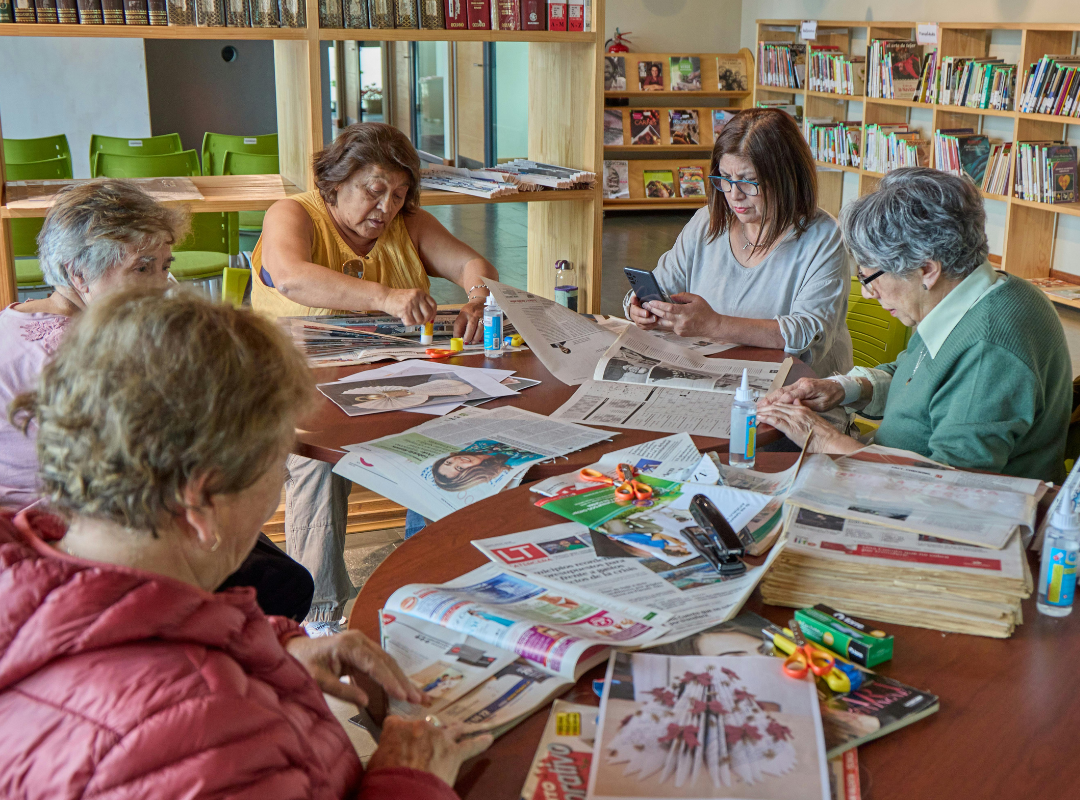
Activities for memory care should reflect the person’s interests, current abilities, energy, surroundings, and response that day. A suitable activity does not need to be completed correctly to be worthwhile. Listening, watching, sorting one item, moving to music, or participating for a few minutes can all be meaningful forms of engagement.
The same activity may be welcomed one day and feel tiring or confusing the next. Families can make activities more approachable by simplifying the steps, reducing distractions, offering limited choices, and paying attention to verbal and nonverbal reactions.
Key Takeaway: Choose activities according to the person in front of you, not according to a generic list. Familiarity, comfort, and willing participation matter more than performance.
How to Choose an Appropriate Memory Care Activity
A long list of ideas is only useful when you know how to choose among them. Before beginning an activity, consider five factors.
Familiarity
Start with interests, routines, roles, and hobbies that have been important to the person. Someone who enjoys cooking may prefer stirring prepared ingredients or sorting recipe cards. A former gardener may enjoy watering a plant, arranging flowers, or sitting outside.
Familiarity does not guarantee participation, but it can make an activity easier to approach.
Ability
Choose an activity that allows the person to take part without being tested or repeatedly corrected. Adapt the task to current abilities rather than expecting the person to perform it as they once did.
For example, a complicated card game might become sorting cards by color. Preparing an entire meal might become mixing one ingredient. A large puzzle might be replaced with a simpler puzzle with fewer, larger pieces.
The National Institute on Aging’s activity guidance recommends modifying familiar activities and dividing them into manageable parts.
Energy
Consider the person’s alertness, physical comfort, and usual routine. A walk or art activity may be easier during a more alert part of the day. Quiet music, photographs, or sensory materials may be more suitable when energy is lower.
Avoid treating an activity schedule as fixed. Adjusting the timing can be as important as changing the activity itself.
Environment
Noise, clutter, lighting, group size, and lengthy instructions can make participation harder. Prepare the materials first, remove unnecessary objects, and create a clear place to work.
Present one activity at a time. When a choice is appropriate, offer one or two specific options rather than asking a broad question such as, “What would you like to do?”
Response
Watch how the person reacts after the activity begins. Interest may be shown through words, facial expressions, movement, touch, or sustained attention. A person does not need to speak or complete the task to be involved.
When the person appears uncomfortable, simplify the activity, offer a break, or try something different. The Alzheimer’s Association’s activity-planning guidance also recommends considering the person’s interests, abilities, mood, routine, and preferred way of participating.

Signs an Activity Is Working or Needs to Change
Engagement can look different from one person to another. Focus on the person’s response rather than whether the finished result meets an outside standard.
| The activity may be comfortable when the person… | Consider simplifying, pausing, or changing it when the person… |
| Looks toward or reaches for the materials | Turns away repeatedly or pushes materials aside |
| Smiles, hums, taps, comments, or gestures | Becomes tense, upset, or increasingly restless |
| Handles an object or follows part of the activity | Appears more confused as instructions continue |
| Watches with apparent interest | Withdraws or stops responding after seeming uncomfortable |
| Participates briefly and then stops calmly | Repeats mistakes and becomes visibly frustrated |
| Appears relaxed while listening or observing | Shows signs of fatigue or physical discomfort |
A refusal does not necessarily mean the person dislikes the activity permanently. They may be tired, uncomfortable, distracted, or simply uninterested at that moment.
Try one small adjustment:
- Demonstrate the first step instead of explaining several steps.
- Remove extra materials.
- Eliminate scoring, time limits, or competition.
- Offer one simple choice.
- Let the person watch before joining.
- Take a break and try again later.
Stop when participation is causing strain. Finishing the activity is not the goal.
Familiar and Purposeful Everyday Activities
Daily routines can provide accessible activities because the objects and actions may already be familiar. These activities should be invitations, not assigned duties.
Ideas include:
- Folding towels or washcloths
- Matching socks
- Sorting safe objects by color or type
- Setting out napkins
- Watering indoor plants
- Arranging flowers
- Stirring prepared ingredients
- Wiping a table
- Organizing photographs
- Sweeping a small, uncluttered area
- Sorting mail or greeting cards
- Placing safe utensils in a drawer organizer
Modify the task before it becomes frustrating. Instead of asking the person to set an entire table, invite them to place one napkin at each setting. Instead of expecting a basket of laundry to be folded correctly, provide a few towels and join in.
The result does not need to be useful or complete. What matters is whether the person appears comfortable participating.
Calming and Sensory Activities
Calming activities for dementia patients should create a manageable experience rather than overwhelm the senses. A quiet environment and one sensory focus at a time may be more comfortable than several sounds, textures, scents, and instructions presented together.
Possible activities include:
- Listening to one familiar song at a comfortable volume
- Holding or sorting pieces of soft fabric
- Looking through a small set of familiar photographs
- Watching birds, clouds, trees, or water
- Handling a familiar object connected with a hobby or former role
- Arranging flowers or touching safe herbs
- Brushing a doll’s hair
- Sorting objects with different shapes or textures
- Applying hand lotion when touch is welcomed
- Sitting quietly with a familiar blanket or comfort object
The NHS includes music, familiar objects, touch-based materials, and other sensory experiences among activities that can be simplified for people living with dementia. Its guidance on activities for dementia also notes that engagement remains possible when an activity is adapted.
Use sensory materials carefully:
- Avoid strong scents when allergies or sensitivities may be present.
- Keep small items away from anyone who may place objects in their mouth.
- Check that materials do not have sharp edges.
- Do not assume that hand contact or massage is welcome.
- Lower the volume or remove an item when the person appears overstimulated.
Sensory activities may provide comfortable ways to participate, but they should not be presented as treatments or as guaranteed ways to change behavior.
Creative, Music, and Reminiscence Activities
Creative activities can be adapted so there is no required finished product. Prepare materials beforehand, demonstrate one action, and allow the person to participate in their own way.
Creative Activities
Consider:
- Painting with a large brush
- Coloring simple images
- Making a collage with prepared pieces
- Molding soft, easy-to-handle clay
- Arranging stickers or shapes
- Decorating a card
- Stringing large beads when safe
- Looking through an art book together
Avoid correcting color choices, placement, or technique. Someone may enjoy selecting materials or watching another person create without completing a project independently.
Music and Movement
Music activities can include:
- Listening to familiar songs
- Humming
- Singing part of a song
- Tapping a hand or foot to the rhythm
- Clapping
- Moving a scarf to music
- Using a simple percussion instrument
- Swaying or moving while seated
Use music that the person has enjoyed before, but observe their response. A familiar song may be pleasant at one time and unwelcome at another. Keep the volume comfortable and avoid insisting that the person remember the singer, title, or lyrics.
Photographs and Familiar Objects
Photographs, keepsakes, recipes, tools, postcards, clothing, and music can invite conversation or shared attention. Instead of testing memory with “Who is this?” try a gentle observation such as, “This looks like a family celebration.”
The person may tell a story, point, smile, or simply look at the item. Do not argue over dates or details. The activity can remain worthwhile even when no specific memory is recalled.
Gentle Movement and Outdoor Activities
Movement should match the person’s mobility, balance, comfort, and need for supervision. Families may also need guidance from an appropriate healthcare professional when physical limitations or health conditions affect safe participation.
Options can include:
- Taking a short walk together
- Walking to a window or another room
- Stretching while seated
- Passing a soft ball or balloon
- Tapping feet or moving arms to music
- Watering plants
- Sweeping a small area
- Sitting on a porch or patio
- Watching birds
- Looking at flowers
- Participating in light gardening
- Walking through a familiar garden
A full walk is not required. Sitting outside and noticing movement, sound, light, or weather may be enough for that day.
Keep paths clear, use suitable footwear, and remain attentive to fatigue or discomfort. Do not pressure the person to continue because an activity was planned for a certain amount of time.
Group Activities That Reduce Pressure
Group activities for memory care patients should allow different levels of participation. Some people may enjoy singing or creating alongside others, while others may prefer to listen, watch, or sit near the group.
Suitable small-group ideas may include:
- Singing familiar songs
- Passing a softball
- Painting or collage
- Arranging flowers
- Folding towels together
- Decorating for a familiar holiday
- Preparing one simple part of a snack
- Looking at photographs
- Matching or sorting objects
- Playing simplified bingo
- Watering plants
- Listening to a short reading
Keep instructions brief and demonstrate what to do. Avoid public correction, complicated rules, forced turns, and games in which one person’s mistakes become obvious to everyone.
When competition creates frustration, remove scores or change the goal. For example, cards can be matched or sorted instead of being used in a competitive game. Families looking for additional ideas can explore these simple games for someone living with dementia and adapt them to the person’s abilities.
A small group is not automatically better for everyone. One-to-one activity or quiet observation may be the more comfortable choice.

How Families Can Adapt Memory Care Activities at Home
Activities for dementia patients at home are often easier to approach when the setting, materials, and instructions are prepared in advance.
1. Choose One Familiar Idea
Begin with something connected to the person’s interests or past routines. Avoid presenting a long menu of possibilities.
2. Prepare the Materials First
Set out only what is needed. Opening packages, finding supplies, or clearing space after the activity begins can create unnecessary waiting and confusion.
3. Reduce Distractions
Turn down background television or music when it is not part of the activity. Clear unrelated objects from the immediate area and make sure the person can see the materials.
4. Give One Instruction at a Time
Use a direct prompt such as, “Place this card here,” rather than explaining the entire activity at once. Pause long enough for the person to respond.
5. Demonstrate the First Step
Showing can be easier to follow than verbal directions. Begin the action and invite the person to continue or join you.
6. Offer Limited Choices
Try, “Would you like the blue paper or the yellow paper?” rather than, “What color would you like?” The person should also be free to decline both choices.
7. Accept Partial Participation
The person may stir once, fold one towel, listen to half a song, or watch without joining. These responses still count as participation when the person appears comfortable.
8. Stop Before Frustration Builds
End or change the activity when the person becomes tired, tense, withdrawn, or upset. Avoid trying to persuade them to finish.
9. Try Another Time
Preferences and abilities can change throughout the day. An activity that does not work in the morning may be welcomed later—or may no longer be a good fit.
Free printable activities for dementia patients and free dementia activity packs can provide ideas, but a worksheet is not automatically appropriate because it is labeled for dementia. Review the visual complexity, reading level, instructions, print size, and likelihood of creating a right-or-wrong test. A familiar hands-on activity may be more suitable than a printed exercise.
When Activity Planning Is Only One Part of the Care Decision
Difficulty finding suitable activities does not, by itself, mean that someone needs memory care. Families may also be considering changes involving supervision, personal care, daily routines, safety, or the amount of support available at home.
Nest Beyond offers information to help families understand memory care and other senior living options. When several care concerns are developing at the same time, the Care Assessment can help you consider broader care needs and organize questions for the next conversation.